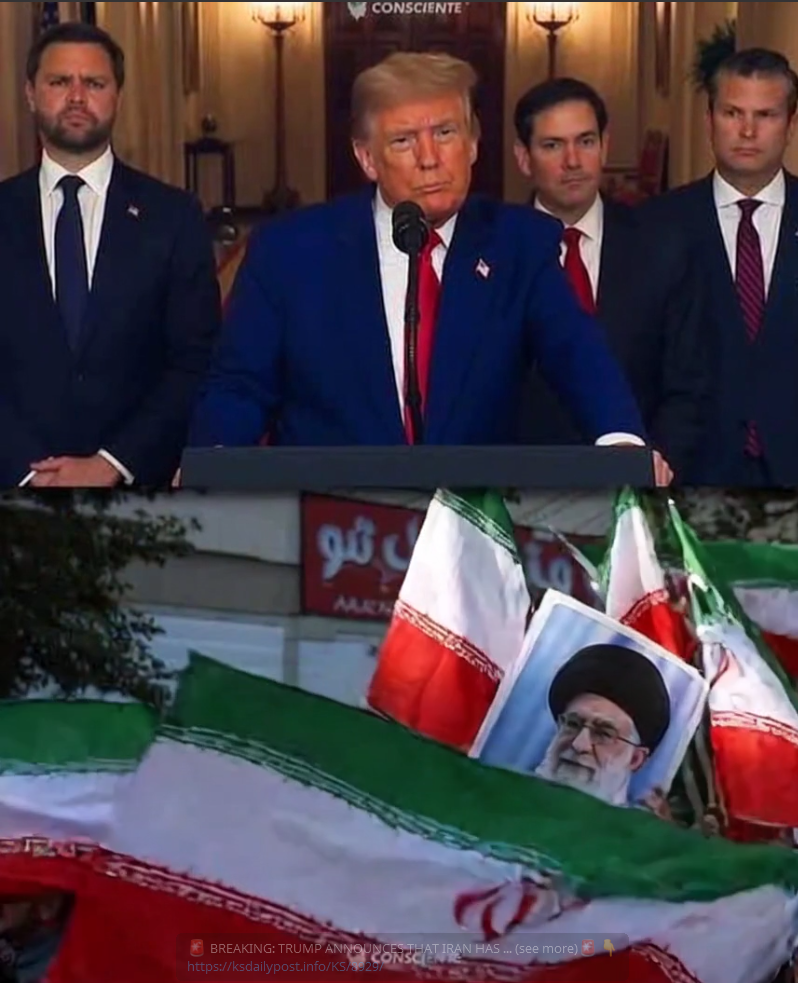
President Donald Trump, Vice President JD Vance, Secretary of State Marco Rubio, and other administration officials are finalizing details of a possible agreement aimed at ending the conflict with Iran.
During a visit to India, Rubio repeated Washington’s warning that the Strait of Hormuz must reopen. He called restrictions in the waterway illegal, unacceptable, and harmful to global stability.
Rubio also confirmed negotiations were taking place in Qatar and said discussions were focused on language within an early draft agreement. He added that President Trump wants a strong agreement and would accept no deal rather than a weak one.
Meanwhile, U.S. Central Command said American forces carried out self-defense strikes in southern Iran on Monday to protect troops from Iranian threats. Targets reportedly included missile sites and boats allegedly attempting to deploy naval mines.
Captain Tim Hawkins said U.S. forces remain committed to defending personnel while exercising restraint during the cease-fire. A senior military official said some American aircraft and naval vessels near the Gulf of Oman and Arabian Sea faced threats from Iranian air defenses.
The strikes reportedly occurred near Bandar Abbas, an important Iranian port and naval base.
Although the cease-fire has been in place for roughly six weeks, tensions between both countries have continued through smaller confrontations.
Iranian officials attending talks in Qatar said progress has been made. Foreign ministry spokesman Esmaeil Baqaei stated that many issues have been resolved but emphasized that a final agreement is not close.
According to administration officials, Iran may accept limits on uranium enrichment, reopen the Strait of Hormuz, and receive sanctions relief. Officials believe Tehran appears more willing to negotiate following recent military actions. Officials also insist any agreement must include enforceable commitments preventing enrichment for decades, seeking restrictions stronger than the nuclear framework negotiated in 2015. under Obama.