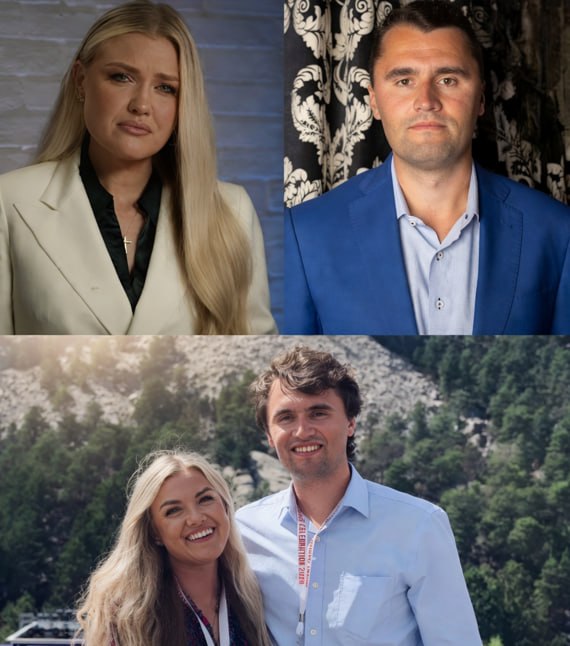
Viral headlines often travel faster than verified information. A recent social media claim alleged that, “30 minutes ago in Utah, Charlie Kirk’s wife was confirmed as…” and suggested she had received an official appointment to a major role. The post quickly spread, triggering praise, criticism, and speculation across political communities online.
However, there is currently no evidence supporting the claim. Erika Frantzve Kirk, wife of conservative commentator and Turning Point USA founder Charlie Kirk, is known for her involvement in faith-based projects, nonprofit initiatives, business ventures, and public advocacy. A former Miss Arizona USA, she has built a public profile through community engagement rather than government office.
The viral rumor raised questions because it provided no details about the position, department, or authority supposedly making the appointment. That absence is significant. Legitimate state appointments are usually announced through official government channels, published in public records, and reported by established news organizations.
No announcements from Utah state authorities, agency websites, legislative records, or credible news outlets currently indicate that Erika Kirk has been appointed to a public position. Without those confirmations, the story appears to be another example of misleading political content designed to attract attention.
The situation also highlights how misinformation spreads. Public figures and their families often become targets of exaggerated claims because name recognition, political polarization, and rapid social sharing amplify rumors before facts emerge.
The broader lesson is simple: verify first, react second. Checking official sources, reviewing trusted reporting, and questioning vague headlines remain essential habits in an era where misinformation can spread within minutes.
While Erika Kirk remains active in civic and community spaces, public engagement should not be confused with formal authority. Stories that rely on ambiguity instead of evidence can distort public understanding, making media literacy and fact-checking increasingly important in political conversations.