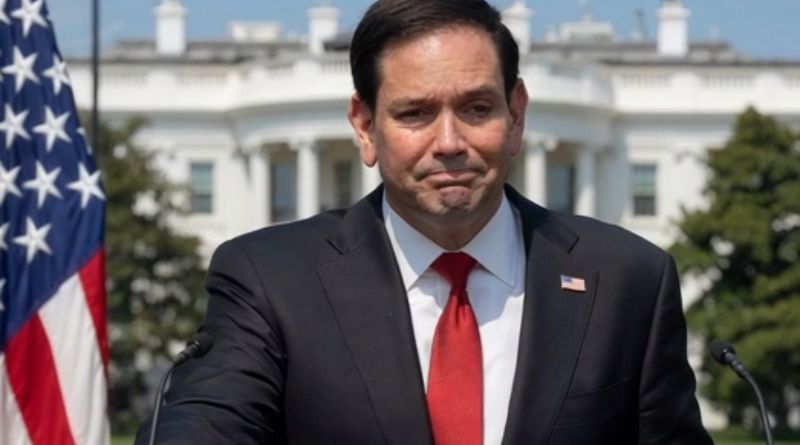
Marco Rubio’s expanding influence represents more than a standard promotion or bureaucratic reshuffle. Instead, it signals a quiet redistribution of authority within federal structures through oversight of a largely unseen office that plays a major role in reviewing regulations before they move forward.
Although the office does not create laws or directly control agencies, it serves as a powerful checkpoint in the regulatory process. Proposed environmental, labor, health, and economic rules often pass through this system before implementation, giving reviewers significant influence over policy outcomes.
Its authority frequently operates through review procedures rather than public decisions. Officials can request revisions, extend timelines, or delay action without formal votes or extensive public explanation. As a result, policies may stall quietly, leaving little visibility into why certain proposals advance while others disappear.
For years, the technical and procedural nature of this process kept it largely outside public discussion. However, growing concerns about transparency and institutional accountability have brought renewed attention to these hidden mechanisms of governance.
Supporters argue centralized oversight improves efficiency and prevents agencies from creating conflicting or unnecessary regulations. Critics counter that concentrating authority within less visible offices reduces accountability and limits opportunities for public scrutiny or meaningful challenges to decisions.
Rubio’s role now places greater focus on leadership style and operational choices rather than headline-making announcements. Observers are expected to monitor review timelines, communication practices, consistency, and relationships with federal agencies to evaluate how oversight evolves.
The broader significance extends beyond one official or office. This shift illustrates how political influence often functions through procedure and administrative control, shaping policy outcomes quietly while raising enduring questions about transparency, oversight, and public trust in government institutions.
Whether reforms increase openness or existing practices continue unchanged, attention toward these processes will likely remain far stronger than in previous decades overall.