A Kentucky woman is facing two federal felony charges after authorities accused her of vandalizing the National World War II Memorial in Washington, D.C., by spray-painting part of the monument and causing foam to fill one of its fountains.
U.S. Attorney for the District of Columbia Jeanine Ferris Pirro announced Friday that Melissa L. Farris, 41, of Elizabethtown, Kentucky, had been charged by criminal complaint in connection with damage to the memorial’s Atlantic Theatre Pavilion on the National Mall.
Farris is charged with willfully injuring or committing a depredation against property of the United States and destruction of a veterans’ memorial. Pirro said the offenses carry potential penalties of up to 10 years in prison.
“Vandalizing our World War II Memorial is a despicable attack on a sacred monument honoring the Americans who fought and died for our freedom,” Pirro wrote on X. “Those Americans include my father and grandfather.”
Pirro said federal prosecutors were moving forward with the case after Farris was taken into custody.
“This morning, we are filing two felony charges, Depredation Against Property of the United States and Destruction of Veterans’ Memorials, in Federal District Court against Melissa L. Farris, offenses that carry penalties of up to ten years in prison,” Pirro said.
According to the criminal complaint, U.S. Park Police were called to the memorial at about 2 p.m. Thursday after receiving a report of a disorderly person.
A witness told officers that a woman had been seen spray-painting portions of the Atlantic Theatre Pavilion. A U.S. Park Ranger who arrived at the scene found foam in the fountain area and a crowd gathered around the balcony while a woman recorded herself, prosecutors said.
The complaint alleges that the woman fled after becoming aware of the ranger’s presence.
Investigators found orange-colored paint on a wall spelling out the words “Clean Hands Dirty $,” along with green paint beneath the message and pink paint splattered on the ground, according to the Justice Department.
Authorities also recovered a sign from a nearby trash can with paint that appeared to match the paint used on the memorial.
A witness photographed the woman during the incident, and a U.S. Park Police officer recognized the suspect as someone officers had arrested on Aug. 10 for allegedly camping unlawfully on federal property a few blocks from the memorial, according to the complaint.
Investigators identified the woman as Farris through her Kentucky driver’s license and reviewed public social media accounts associated with the name “Melissa Lovewell.”
The complaint says Farris recorded multiple livestream videos on Aug. 13, including footage in which she allegedly admitted damaging the memorial. In one video cited by prosecutors, she said she was prepared to be held accountable for her actions and expected to be arrested.
A preliminary estimate placed cleanup and restoration costs at more than $1,000, according to the complaint.
The vandalism drew a sharp response from President Donald Trump, who condemned the damage in a Truth Social post.
“Our beautiful World War II Memorial was just hit by Spray Painting Vandals,” Trump wrote.
“THERE CAN BE NO GREATER INSULT TO THOSE AMERICAN HEROES WHO DIED IN WORLD WAR II,” he continued, adding, “First the Reflecting Pool, now this. We are on their trail!”
The president’s reference to the Reflecting Pool followed a separate case involving alleged damage near the Lincoln Memorial. Federal prosecutors later moved to dismiss charges in that matter after receiving evidence that contradicted the original vandalism theory.
Pirro issued a separate statement emphasizing the significance of the World War II Memorial and the service members it commemorates.
“Defacing the World War II Memorial is a disgusting act and an insult to the Americans who fought and died for our country,” Pirro said.
“This memorial stands in honor of the 16 million veterans who served, the millions who supported the war effort, and the more than 400,000 heroes who never came home. Vandalizing a monument dedicated to their sacrifice is a shameful attack on the legacy of our nation,” she continued.
The National World War II Memorial was dedicated in 2004 and honors the 16 million Americans who served in the U.S. armed forces during World War II, the millions who supported the war effort from home and the more than 400,000 Americans who died during the conflict.
The memorial, located on the National Mall between the Washington Monument and Lincoln Memorial, includes Atlantic and Pacific pavilions representing the two principal theaters of the war.
The Justice Department said Farris was in federal custody following the filing of the complaint.
The allegations against Farris have not been proven in court, and the filing of criminal charges does not establish guilt. She is entitled to the presumption of innocence unless and until proven guilty beyond a reasonable doubt.
Leader Thune’s Stunt Just Backfired — President Trump Shows Up! 1
With fewer than 90 days remaining before the Nov. 3 midterm elections, Republican senators are facing renewed pressure to advance more of President Donald Trump’s legislative agenda before lawmakers shift fully into campaign mode.
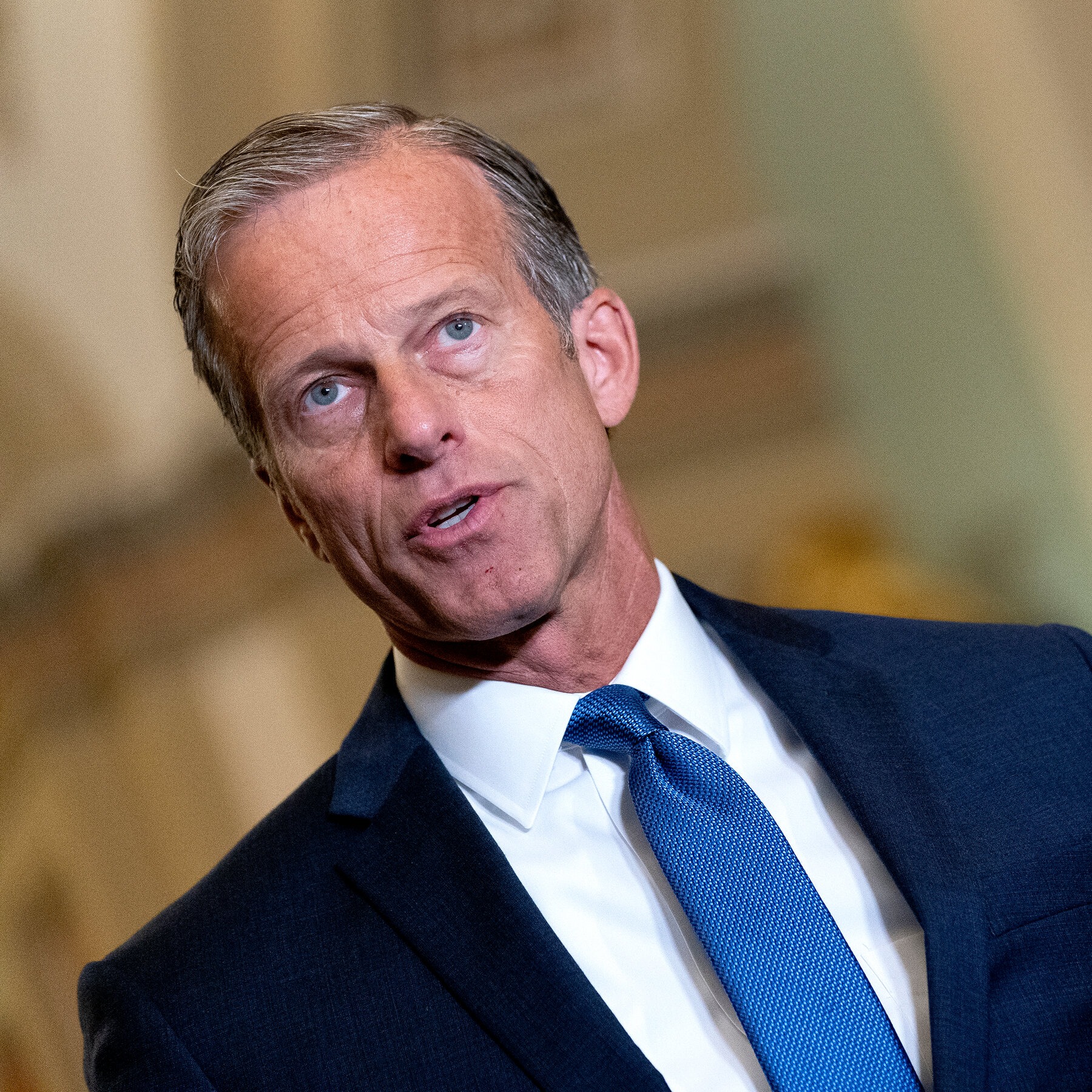
Among the Republicans urging faster action is Sen. John Kennedy of Louisiana, who has argued that Senate Majority Leader John Thune is being too cautious as the chamber confronts a crowded list of spending, defense, agriculture, cryptocurrency and election-related priorities.
Kennedy made the criticism during a July 26 appearance on CBS News’ Face the Nation, where he praised Thune personally while calling for the Senate to put more major Republican proposals on the floor.
“Look, I mean no disrespect. I love John Thune. He’s my leader. He’s got a big brain. He’s better looking than me, but I think he’s just being too cautious,” Kennedy said.
Kennedy said Republicans should move ahead on a House budget resolution, additional defense and farm funding, cryptocurrency market-structure legislation and tougher sanctions involving Russia and Iran rather than devote most of the remaining floor time to negotiations with Democrats.
He also pushed for another effort to advance the SAVE America Act, a Trump-backed election bill that would require documentary proof of U.S. citizenship for federal voter registration and impose a federal photo-identification requirement for voting.
The House passed the current version of the SAVE America Act on Feb. 11 by a 218-213 vote after replacing the text of an earlier Senate bill with the election legislation. The House had also approved an earlier SAVE Act in April 2025, and Republicans have since tried to move similar provisions through other legislative vehicles.
The proposal has repeatedly stalled in the Senate, where most legislation requires 60 votes to overcome a filibuster. Republicans hold 53 seats, and the bill has not attracted enough support to clear that threshold.
In March, a Senate effort to advance a SAVE America Act-related amendment failed to obtain the votes needed for cloture. Later efforts to revive the measure or move narrower voter-identification provisions also fell short before the chamber left Washington for its summer recess.
The Senate adjourned on Aug. 8 after a prolonged dispute over Trump’s demand that lawmakers remain in session until they passed the voting bill or changed the filibuster rules. Senators are scheduled to return for regular legislative business on Sept. 14, although pro forma sessions are being held during the recess.
Kennedy argued that Republicans should at least force votes on their priorities even when passage is uncertain.
“I think we can pass it … but we’re not going to know if we don’t try,” Kennedy said of election legislation during the CBS interview.
He said election confidence would be strengthened by requiring voters to prove their eligibility and identity and by producing election results as quickly as practicable after voting ends.
Supporters of the SAVE America Act say documentary citizenship requirements and a national voter-ID standard would help prevent ineligible voting and increase public confidence in elections.
Opponents, including most congressional Democrats and voting-rights groups, argue that the legislation could create new barriers for eligible voters who lack ready access to passports, birth certificates or other qualifying documents, particularly people whose current names do not match older citizenship records.
Federal law already prohibits noncitizens from voting in federal elections, and documented cases of noncitizen voting have historically been rare. The political dispute centers on how states should verify citizenship and identity without preventing eligible citizens from registering or casting ballots.
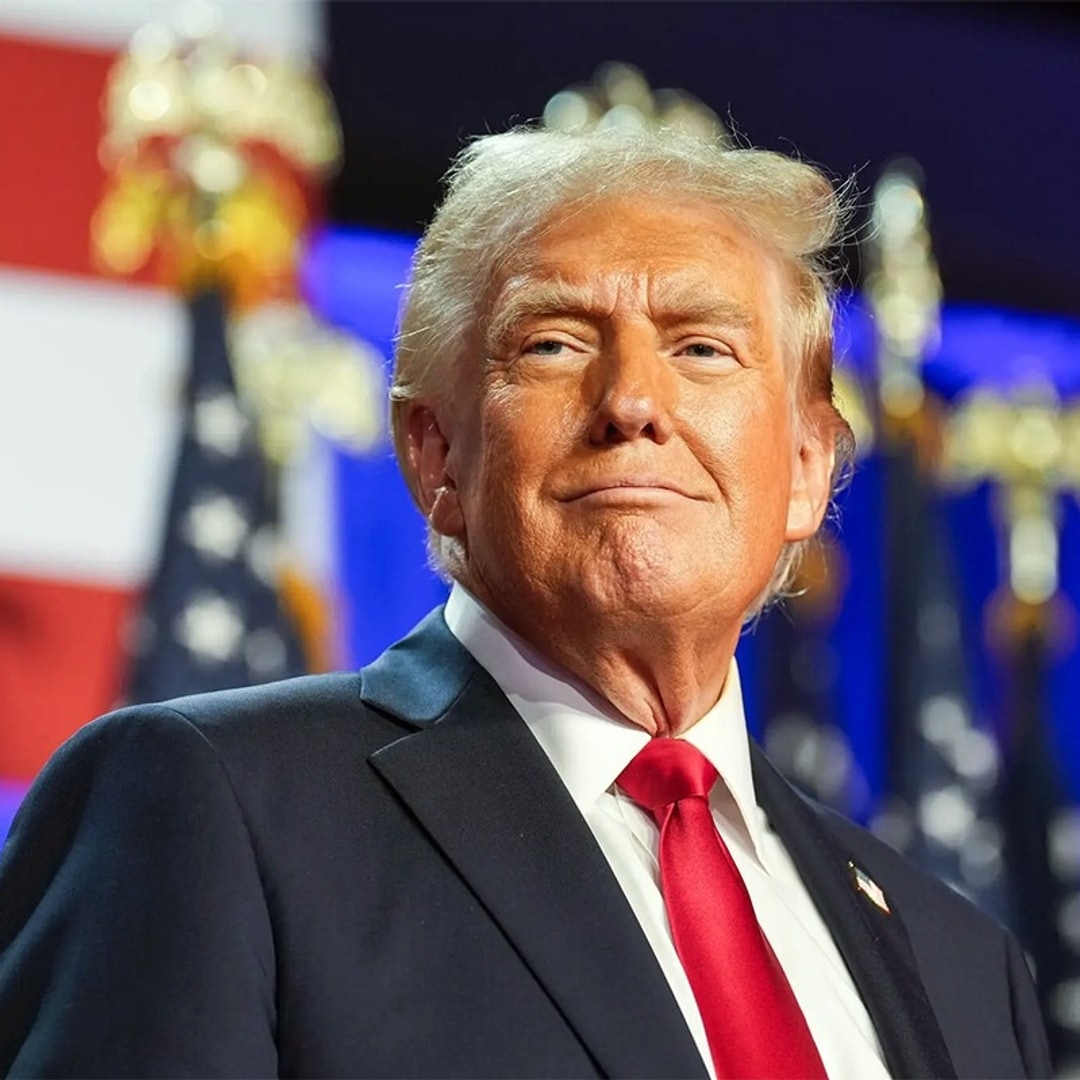
Trump has made the SAVE America Act one of his most prominent legislative demands in the months before the midterms and has repeatedly urged Thune to either find a path to passage or eliminate the Senate’s legislative filibuster.
Thune has resisted abolishing the 60-vote threshold and has said the votes are not currently available to pass the full bill under normal Senate procedures.
Before leaving for the August recess, a group of Republican senators discussed an alternative approach with Trump: attempting to include parts of the election legislation in a broader budget package when the Senate returns in September.
That approach would still face procedural and political hurdles, including Senate rules governing what provisions may be included in reconciliation legislation.
The election-security debate intensified after Trump delivered a nationally televised address on July 16 and released a collection of newly declassified intelligence reports, investigative files and other government documents concerning election vulnerabilities and foreign activity.
Trump said the material showed that China had acquired data associated with roughly 220 million U.S. voters and cited a separate Department of Homeland Security review that identified approximately 278,000 people described as noncitizens on voter rolls in California, Pennsylvania, New Jersey and Nevada.
Those claims have not established that China manipulated votes in the 2020 presidential election or that the people identified in the DHS review actually cast ballots.
A review of the released material by The Associated Press found no evidence that China or another foreign government altered vote totals in 2020. The declassified documents instead described intelligence collection, election-system vulnerabilities and internal disagreements over how to characterize Chinese activity.
The DHS figures have also been disputed because the analysis relied in part on public and immigration-related databases that can contain incomplete or outdated records. The administration has defended the review as evidence that states need stronger citizenship-verification tools.
Trump and Republican allies have used the disclosures to renew calls for Congress to pass the SAVE America Act. Democrats have argued that the administration is overstating the documents and using unverified claims to justify restrictive voting rules.
The disagreement leaves Thune navigating pressure from two directions: Trump and conservative senators want action before the election, while the Senate’s vote math makes passage of the full bill unlikely without Democratic support or a major change in procedure.
Kennedy’s criticism is therefore less about disagreement with Thune’s goals than about strategy and timing. He has argued that Republicans should put their agenda on the floor and make senators vote, even when the outcome is uncertain.